Literary and Co-Curricular Enrichment Activities :
Learning through Experience: Regular exhibitions and project-based activities are organized to encourage experiential learning and to provide ample food for thought.
Competitive Spirit: Students receive rigorous training and meticulous preparation to participate in various inter-school competitions, nurturing their intellectual curiosity and confidence.
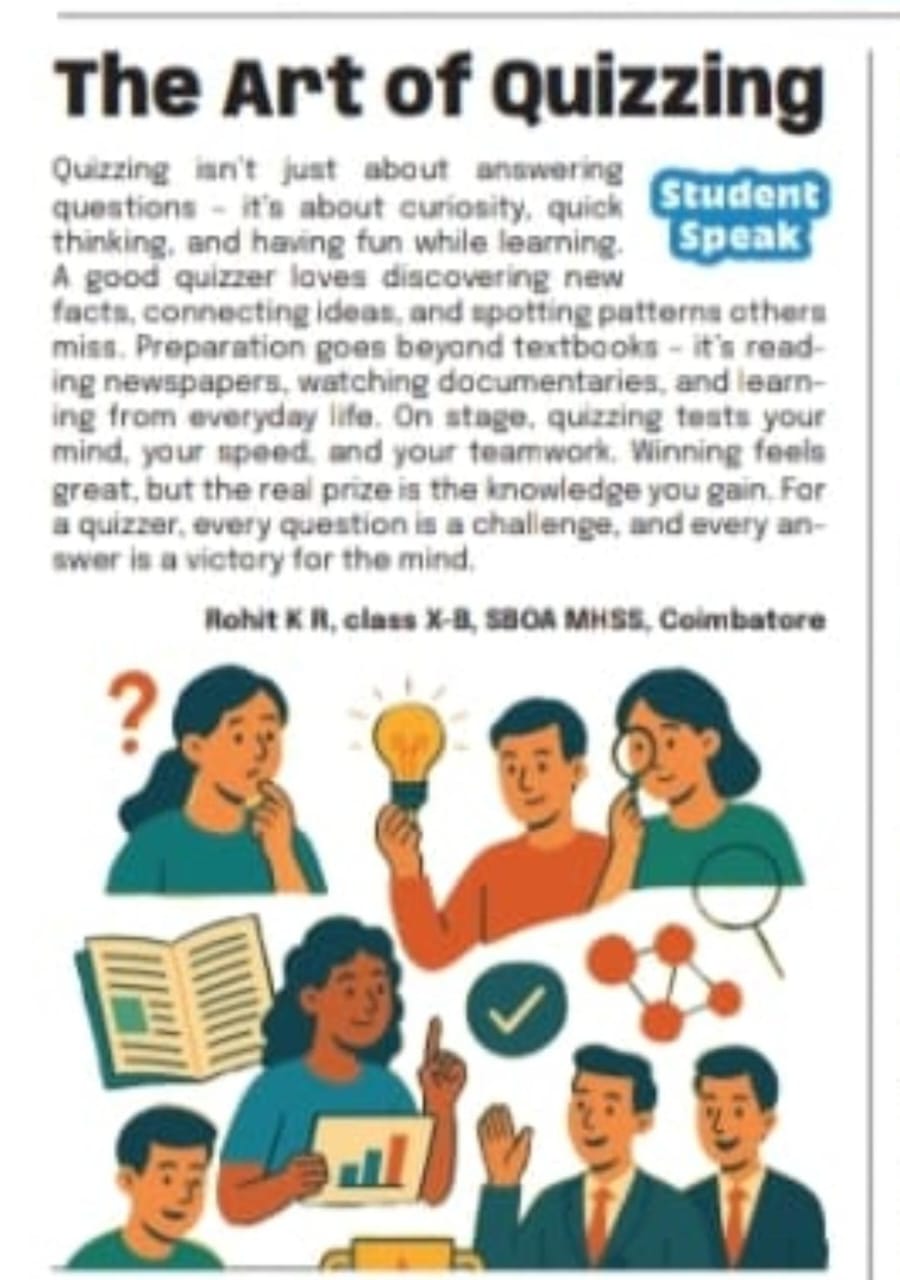
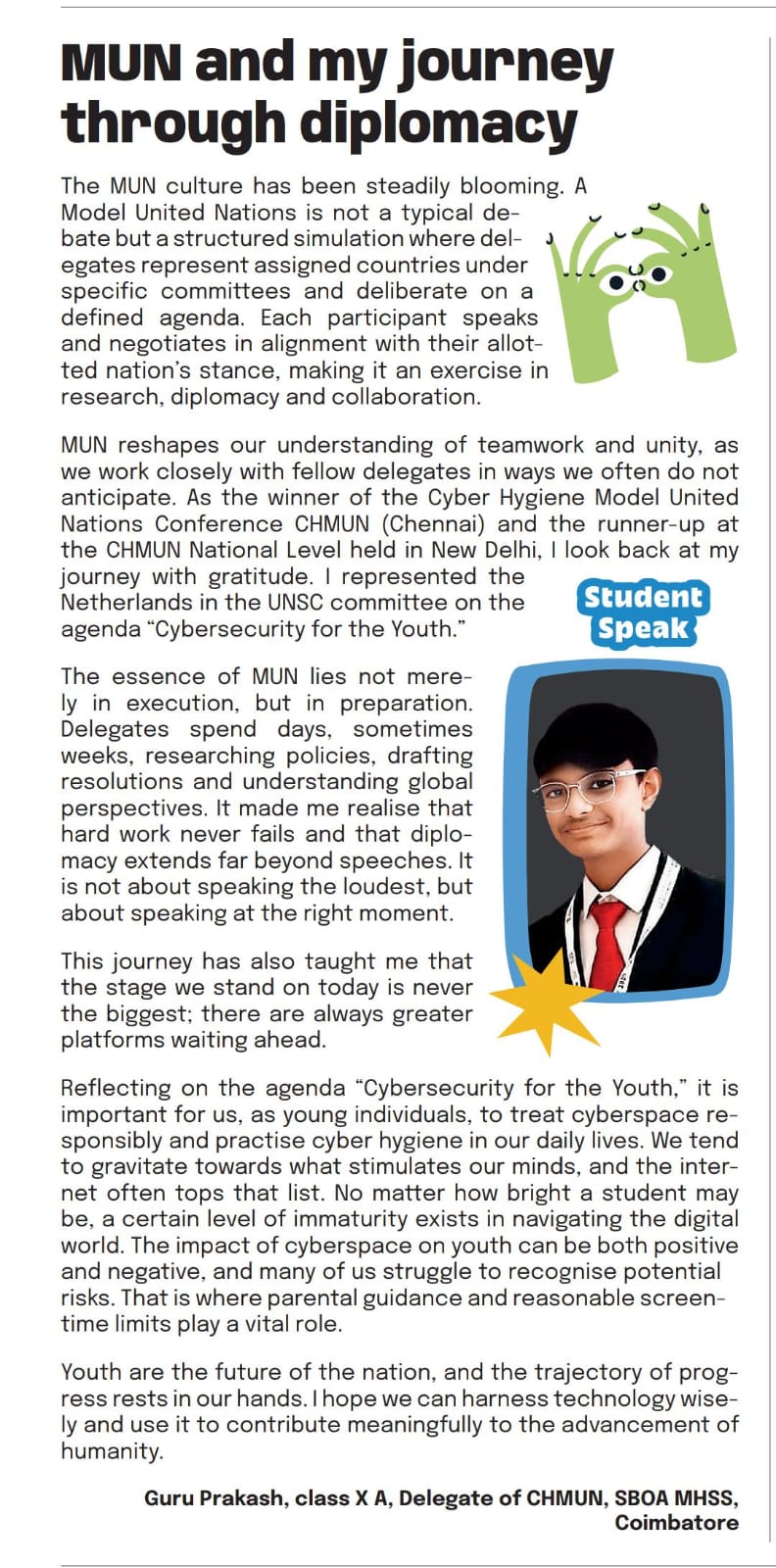
Communication and Knowledge Enhancement: Elocution and quiz competitions are conducted every term for all classes to refine communication skills and foster a spirit of healthy competition.
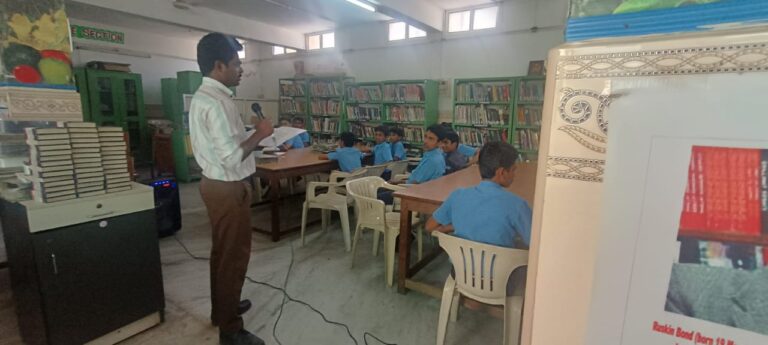
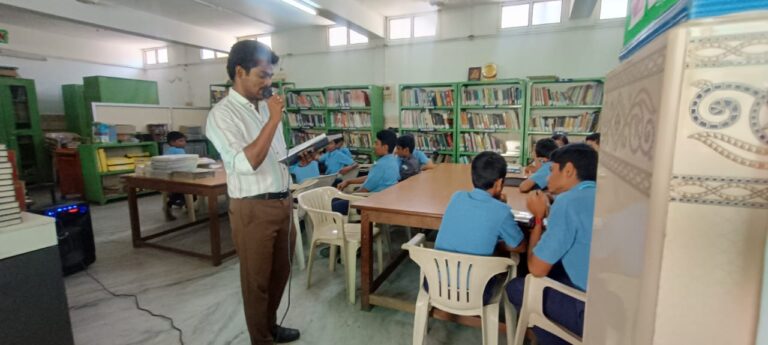
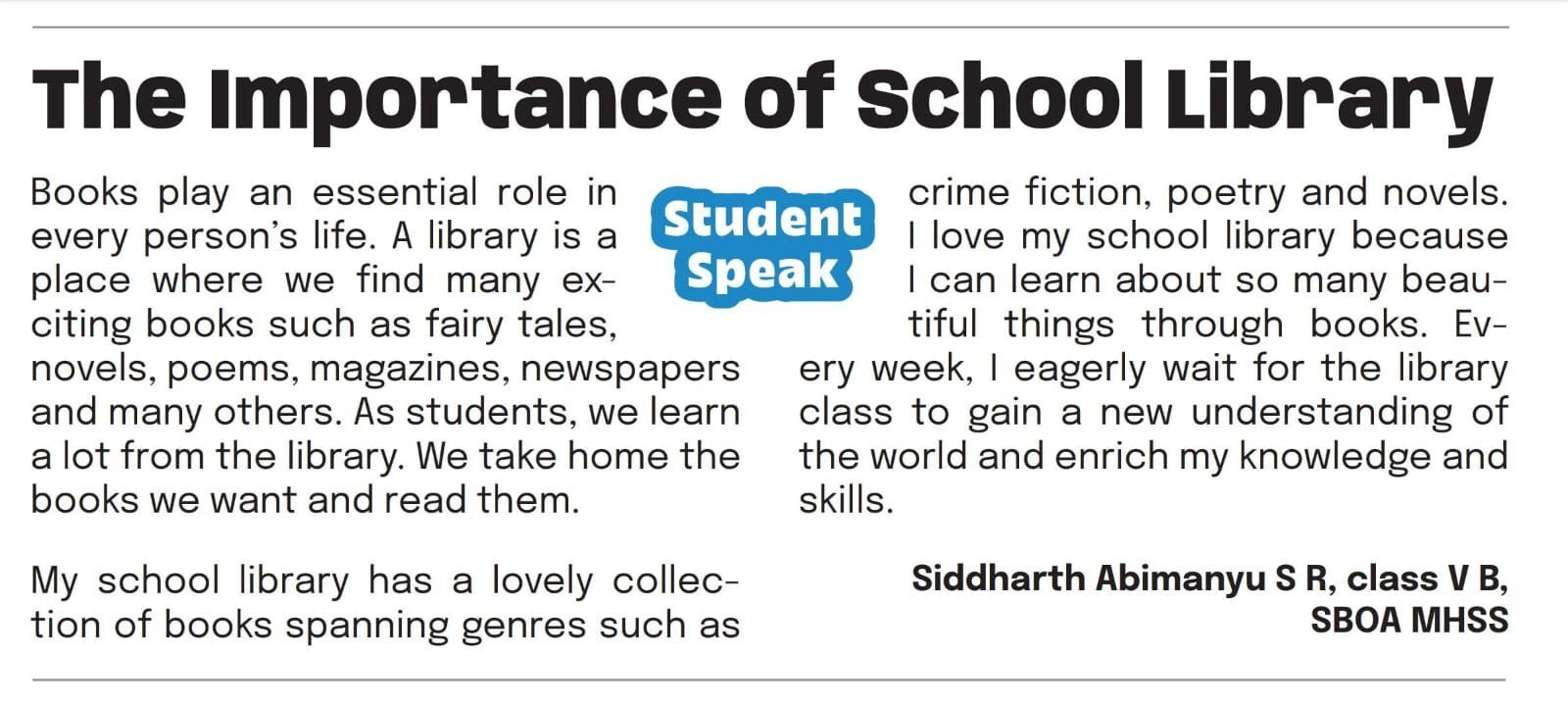
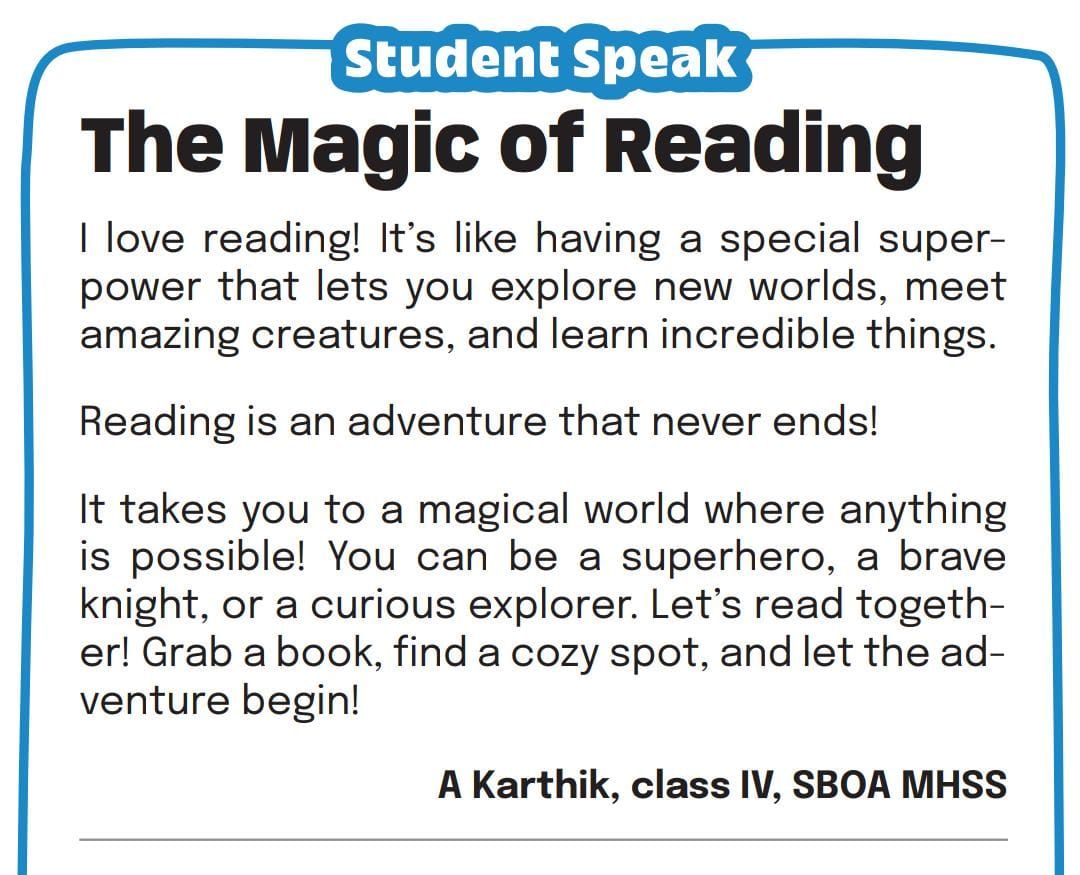
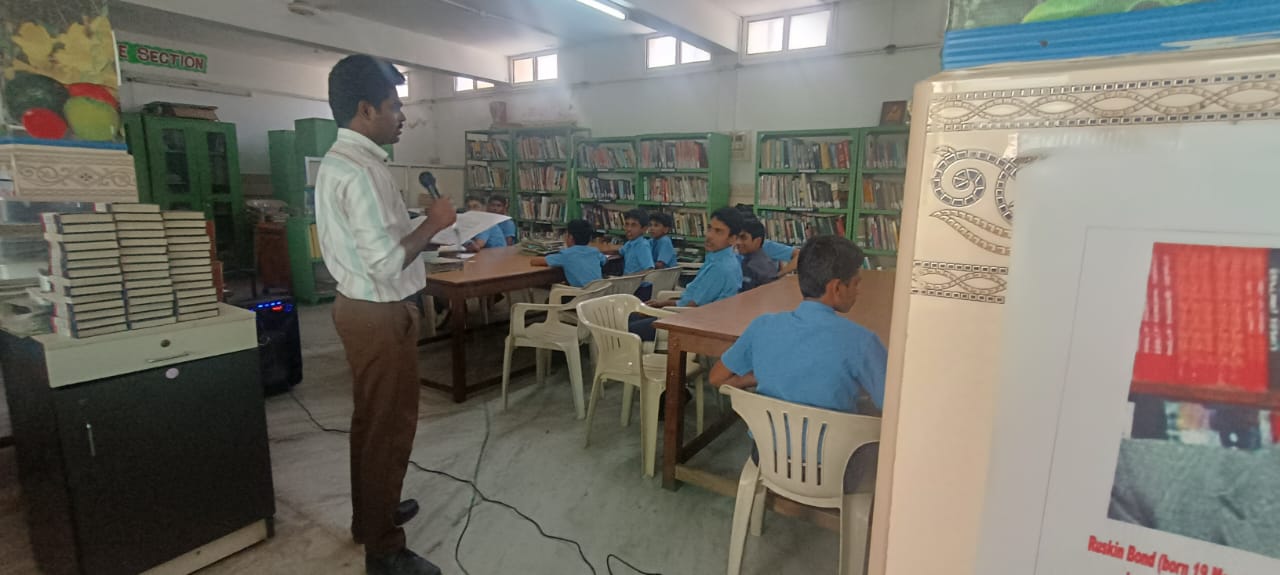
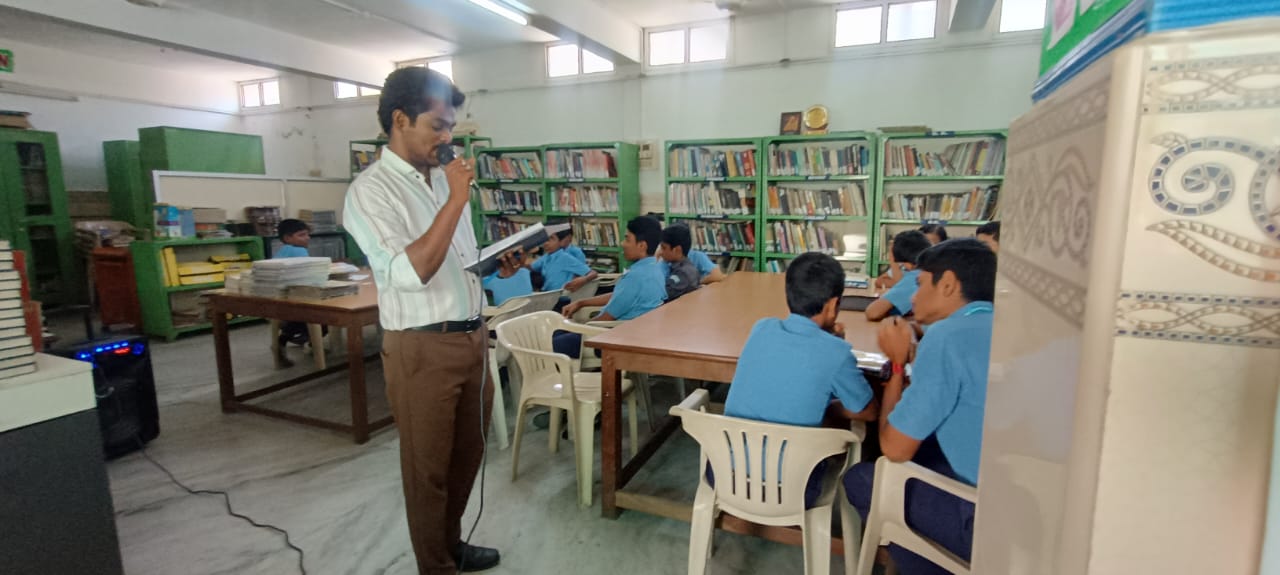
Reading Culture: A well-equipped and spacious school library is accessible to students from Std. VI to Std. XII through a library pass system, promoting independent learning and a love for reading.
Library Engagement: Regular library visits are scheduled every week to enhance students’ reading habits and comprehension skills.
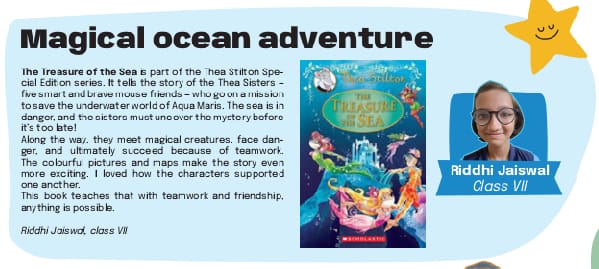
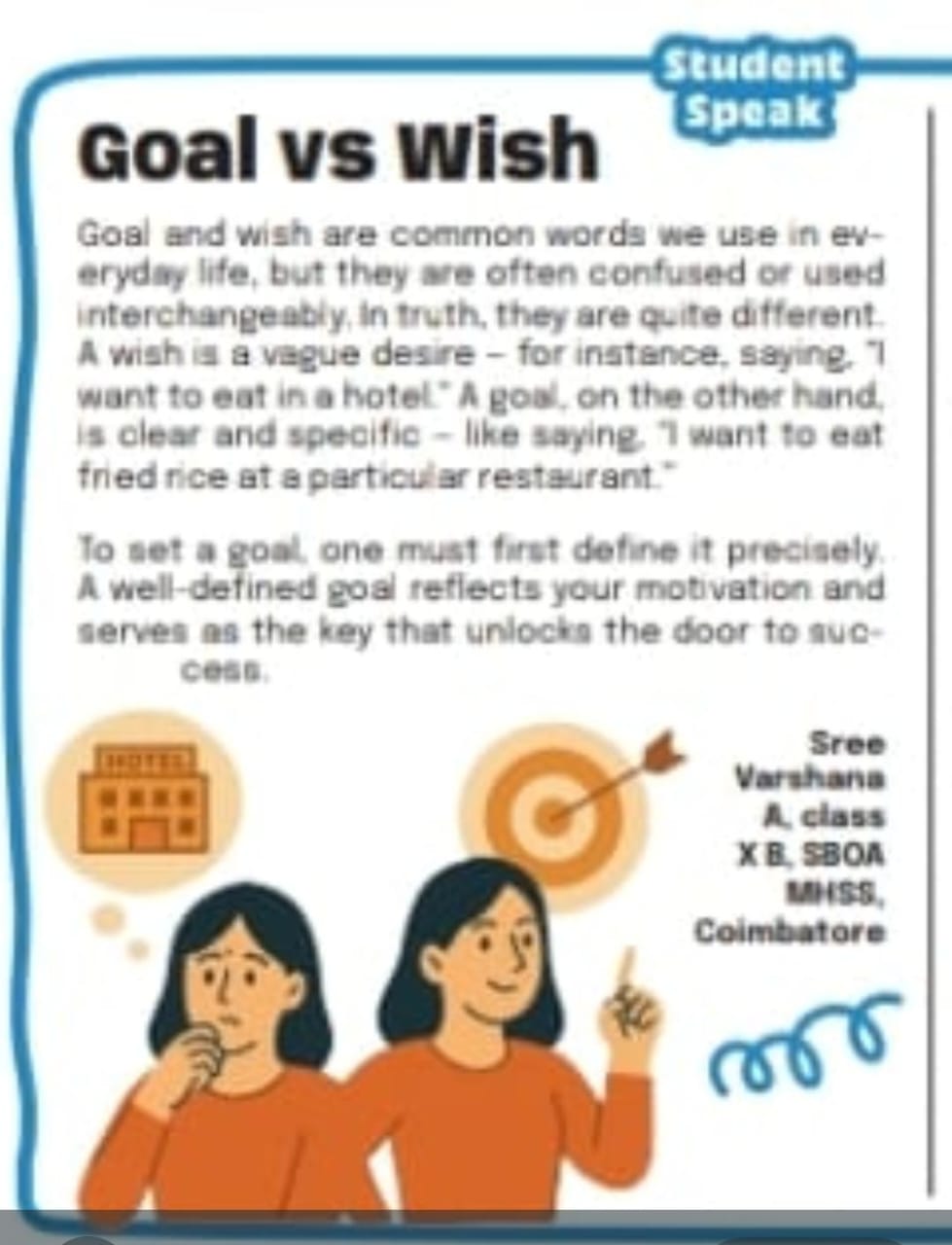
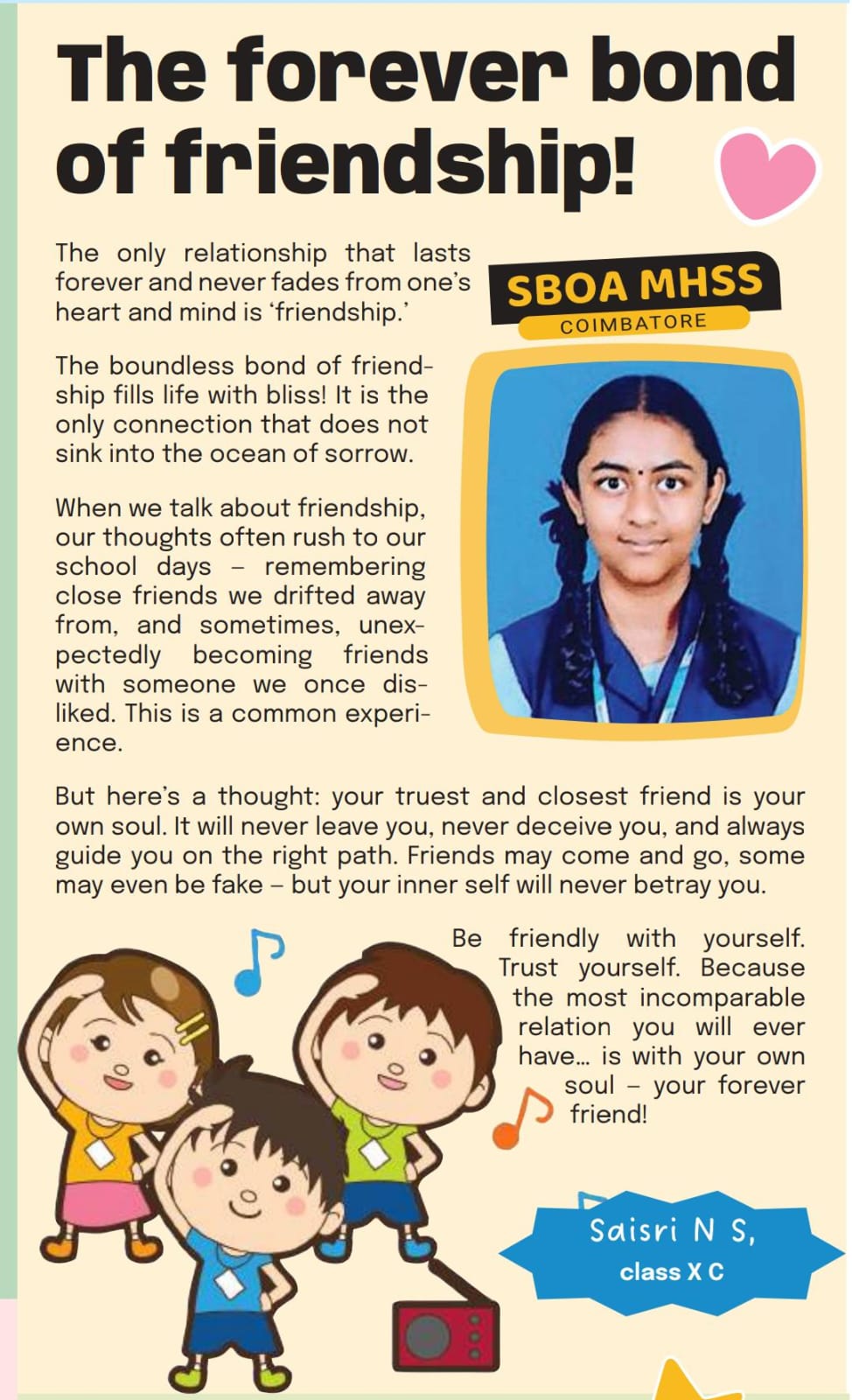
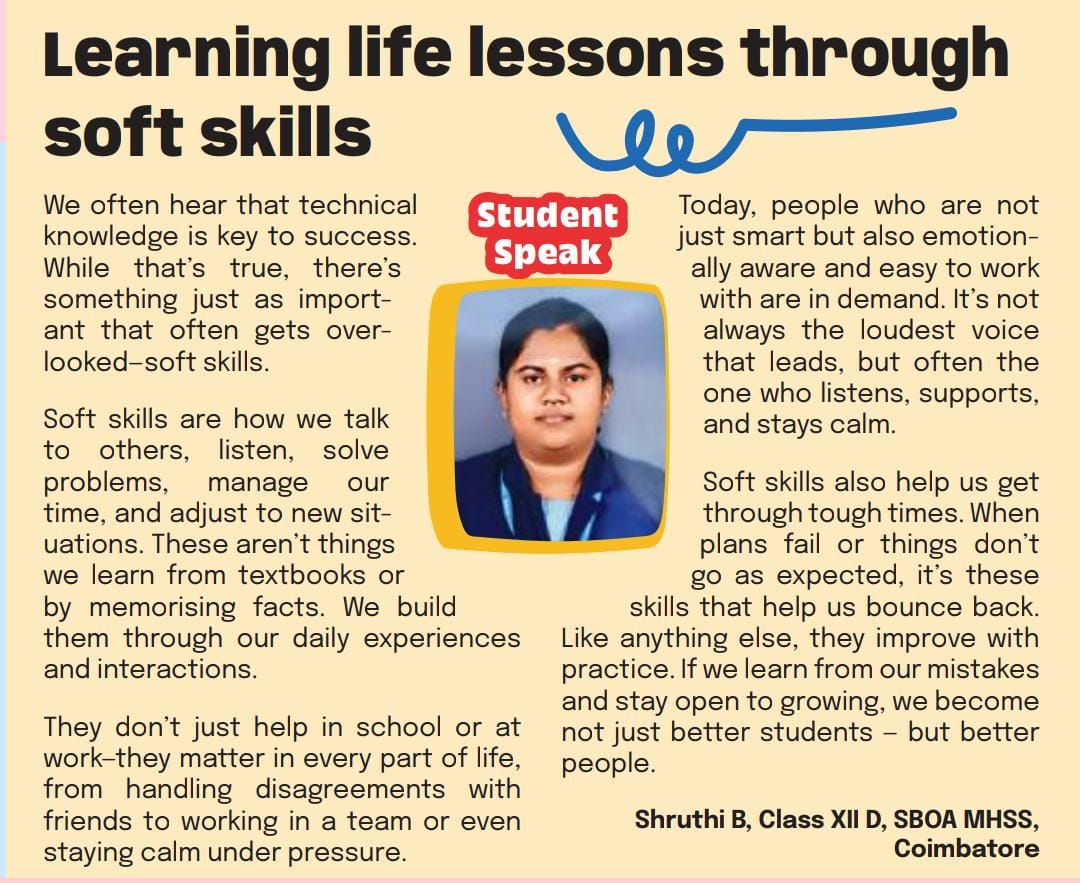
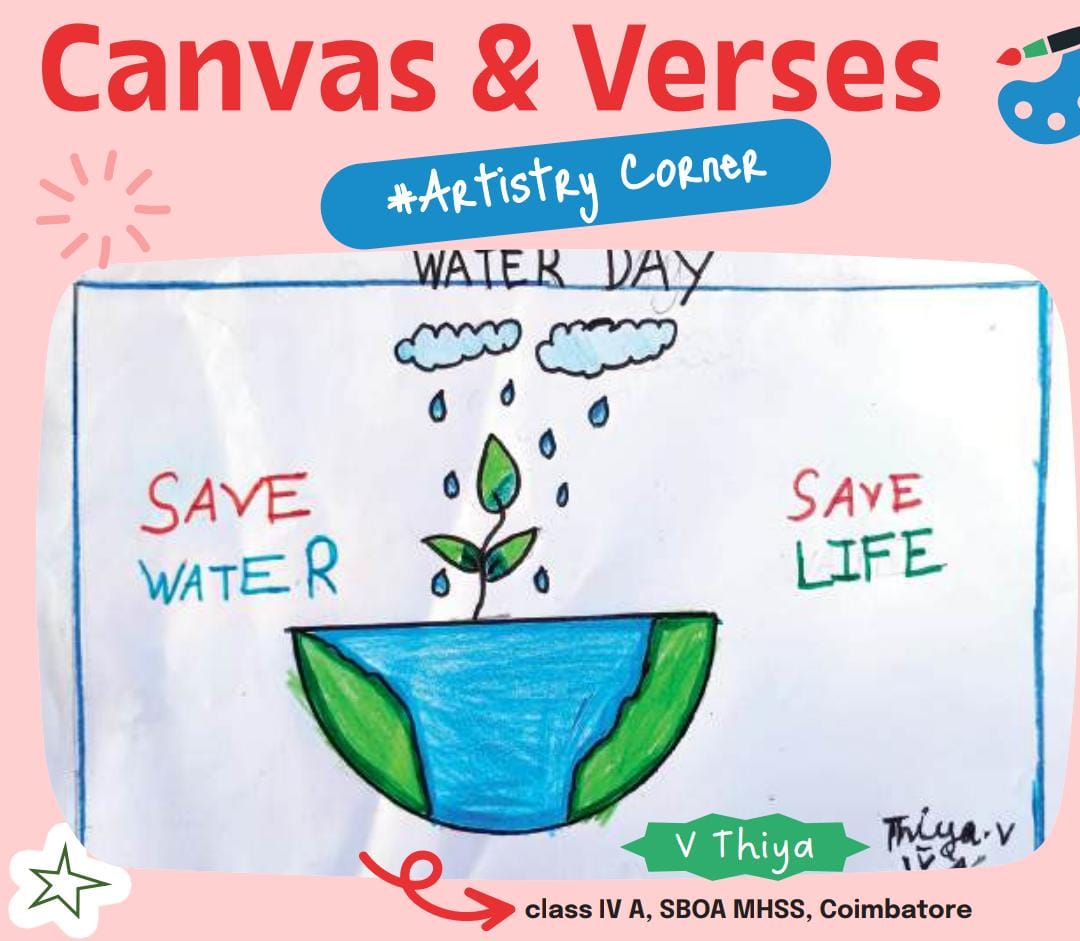
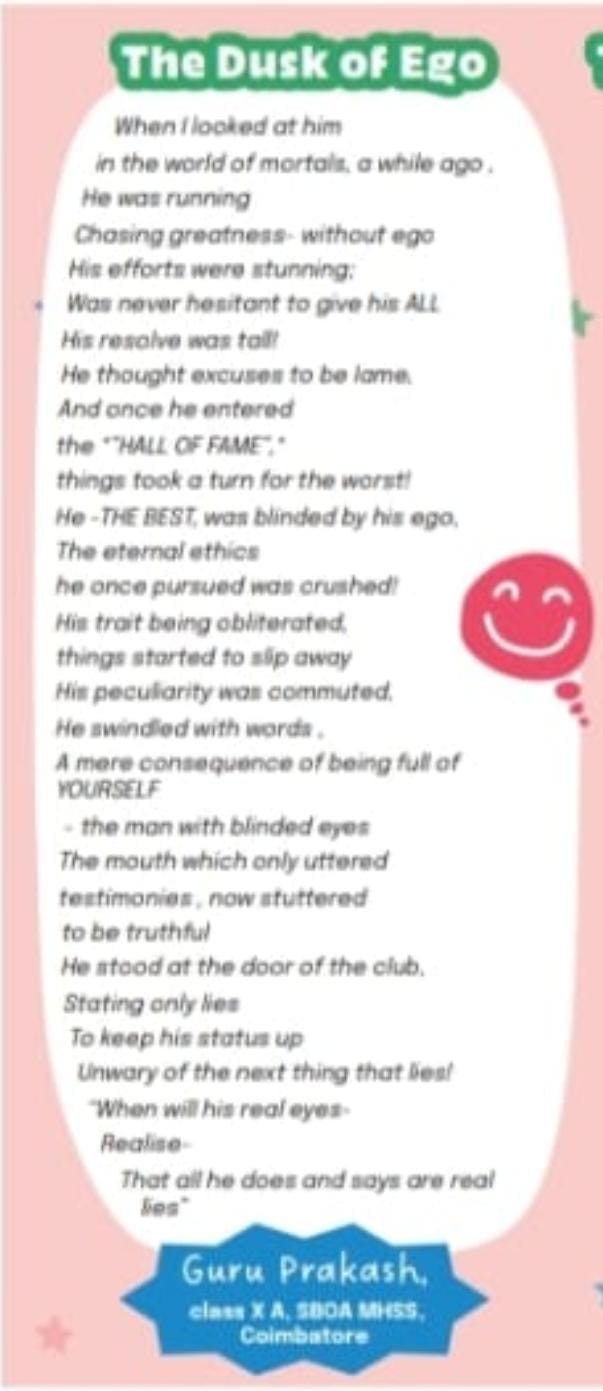
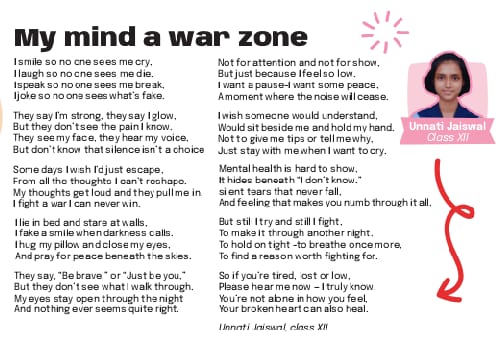
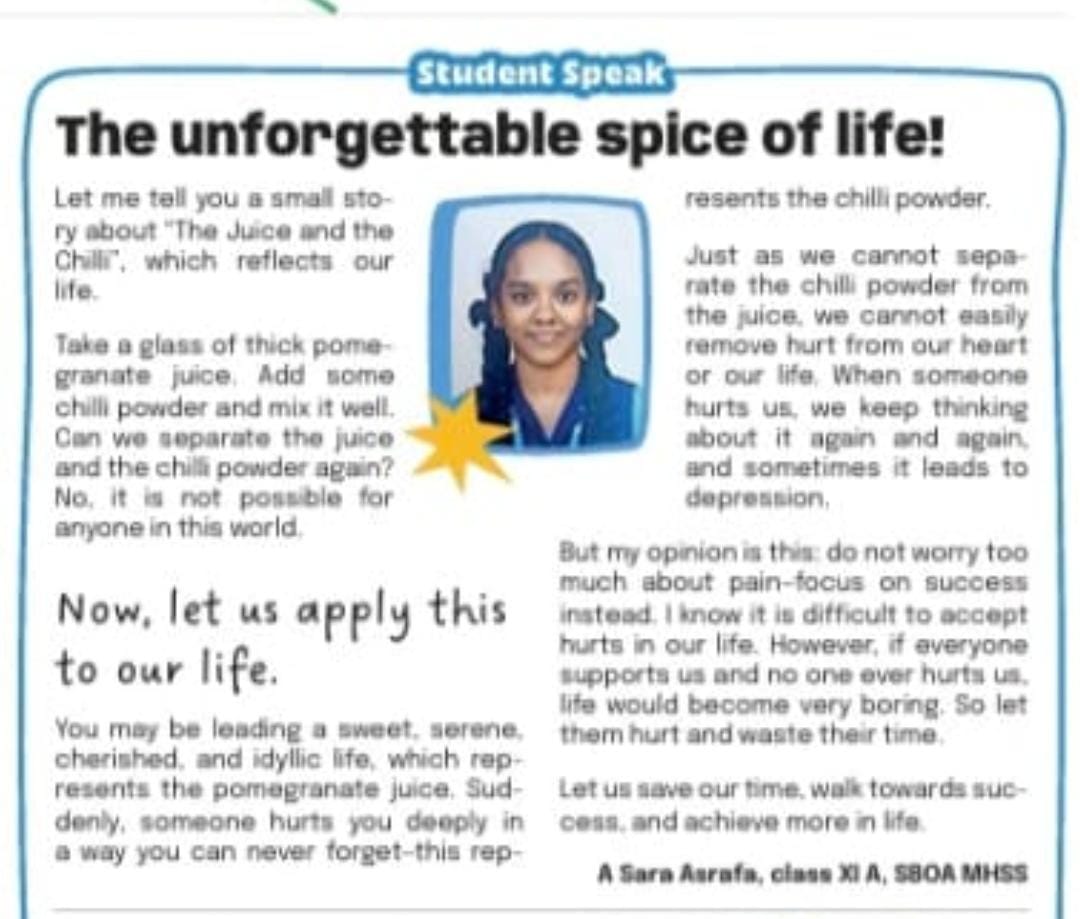
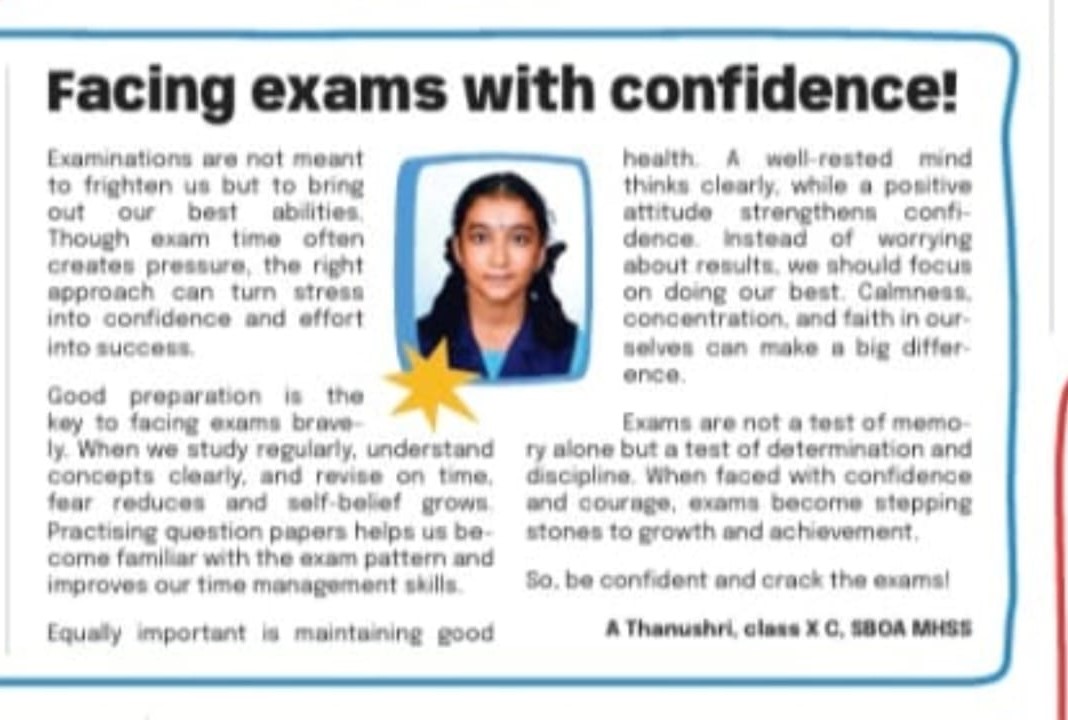
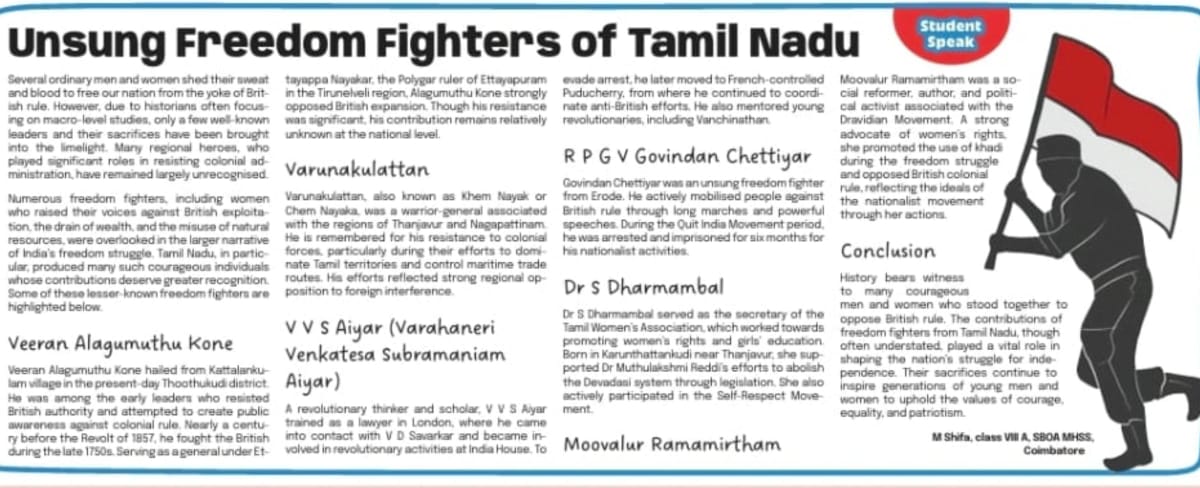
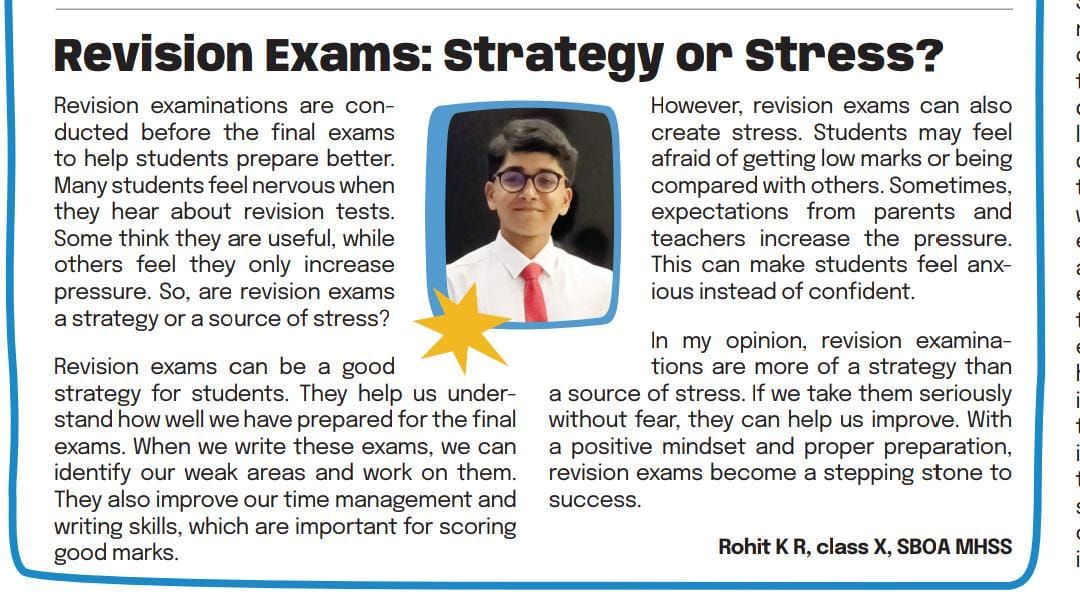
Creative Literary Pursuits: The librarian conducts periodical competitions such as elocution, book reviews, debates, and creative writing on special occasions like Readers’ Day and Mahatma Gandhi’s Birthday.
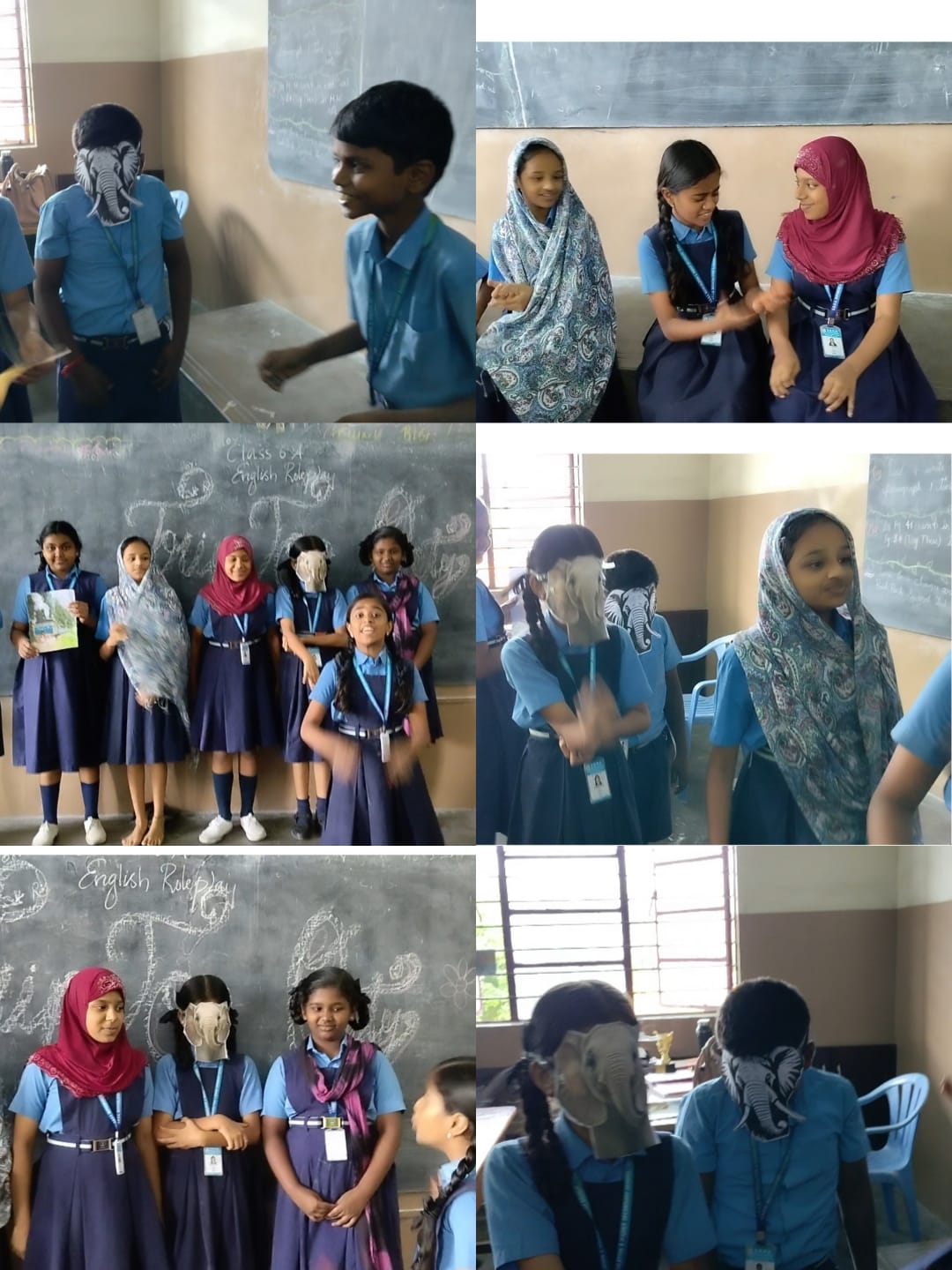
Compering and Public Speaking: Students are encouraged and trained to take up the role of Master of Ceremonies (MC) during school functions and stage events. They actively participate in compering during major events such as the Annual Day and Sports Day, thereby developing leadership and stage presence.
Assembly Enrichment: All assembly programmes include active participation by both students and teachers, ensuring effective communication in English. Each session features daily news reading, language-based activities, and interesting segments such as language games, idiom explanations, and correct pronunciation practice.
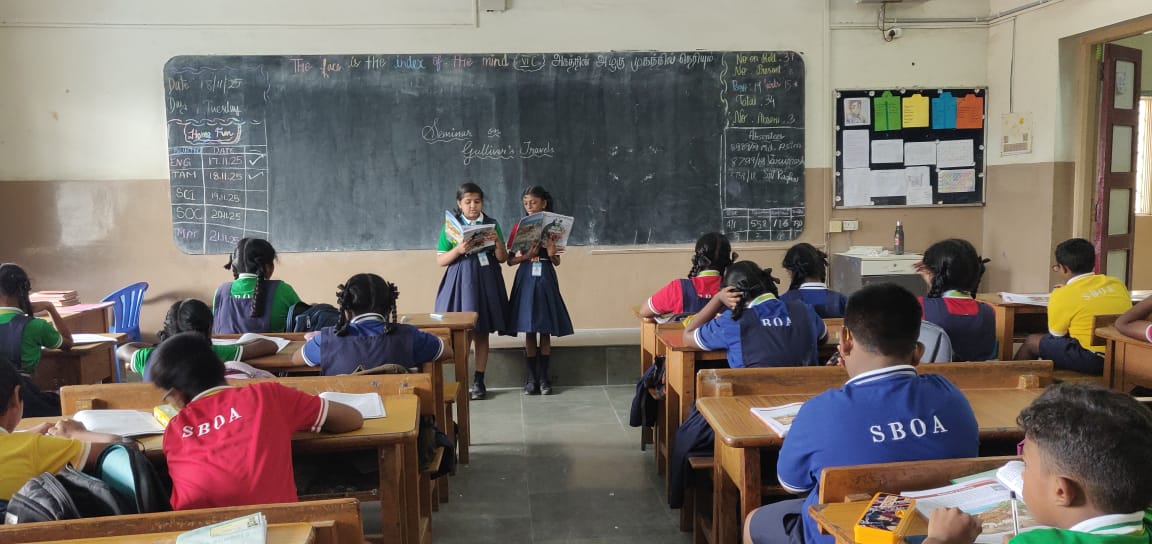
Classroom Language Activities: Engaging language enrichment activities are conducted at the beginning and end of every language class to reinforce vocabulary, grammar, and fluency.
Library Language Section: A special section in the school library is dedicated to language development. It houses books and materials on language games, grammar, letter and paragraph writing, crosswords, essay writing, famous speeches, plays, and dramas, inspiring students to explore the beauty of language.
Clubs for Literary Growth: The Readers’ Club and English Literary Club function as part of Group B activities every week, providing opportunities for students to express their creativity and enhance their linguistic skills.
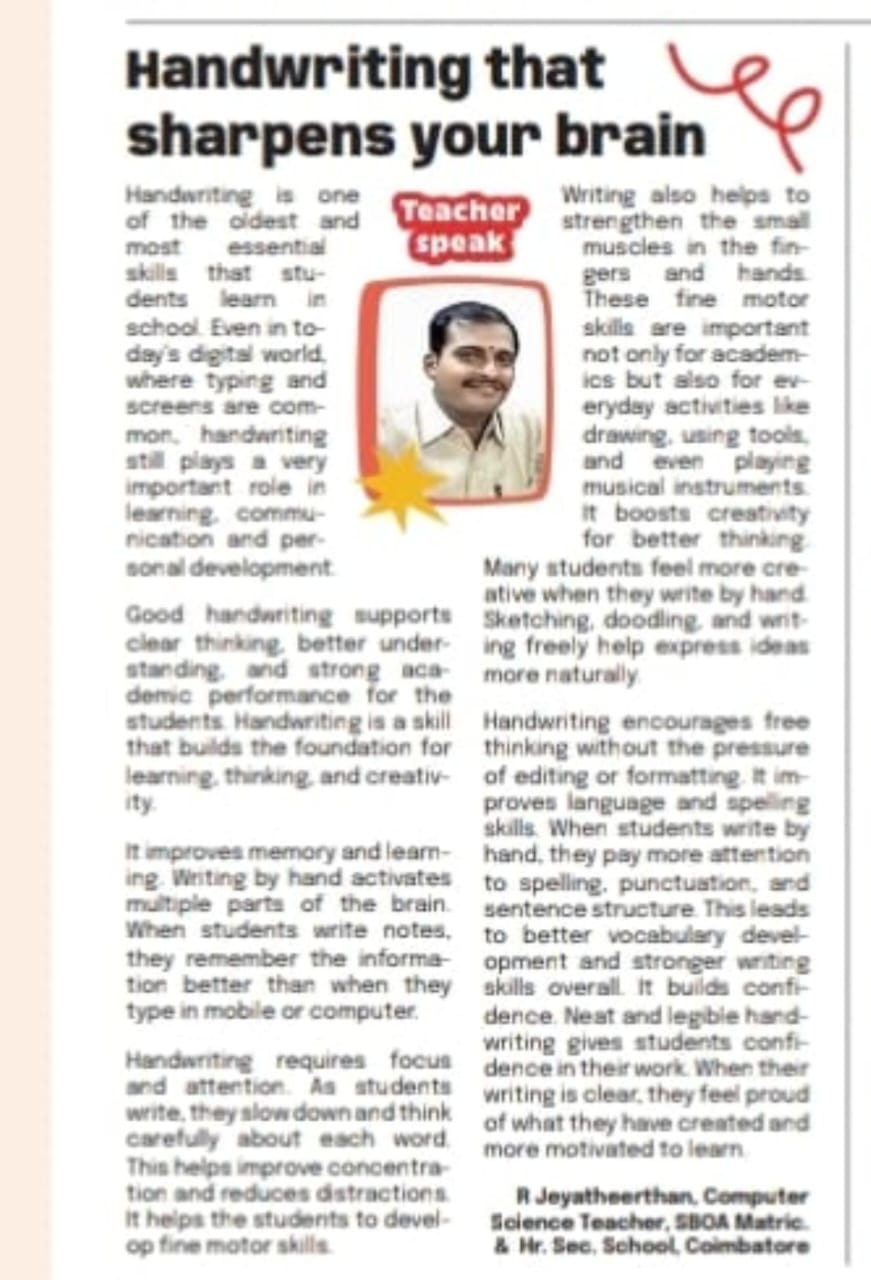
Competitions and Challenges: Handwriting and Spell Bee competitions are conducted periodically to boost students’ confidence, precision, and command over the language.
Aural-Oral Focus: Emphasis is laid on aural and oral activities to develop listening and speaking skills, thereby strengthening overall communicative competence.
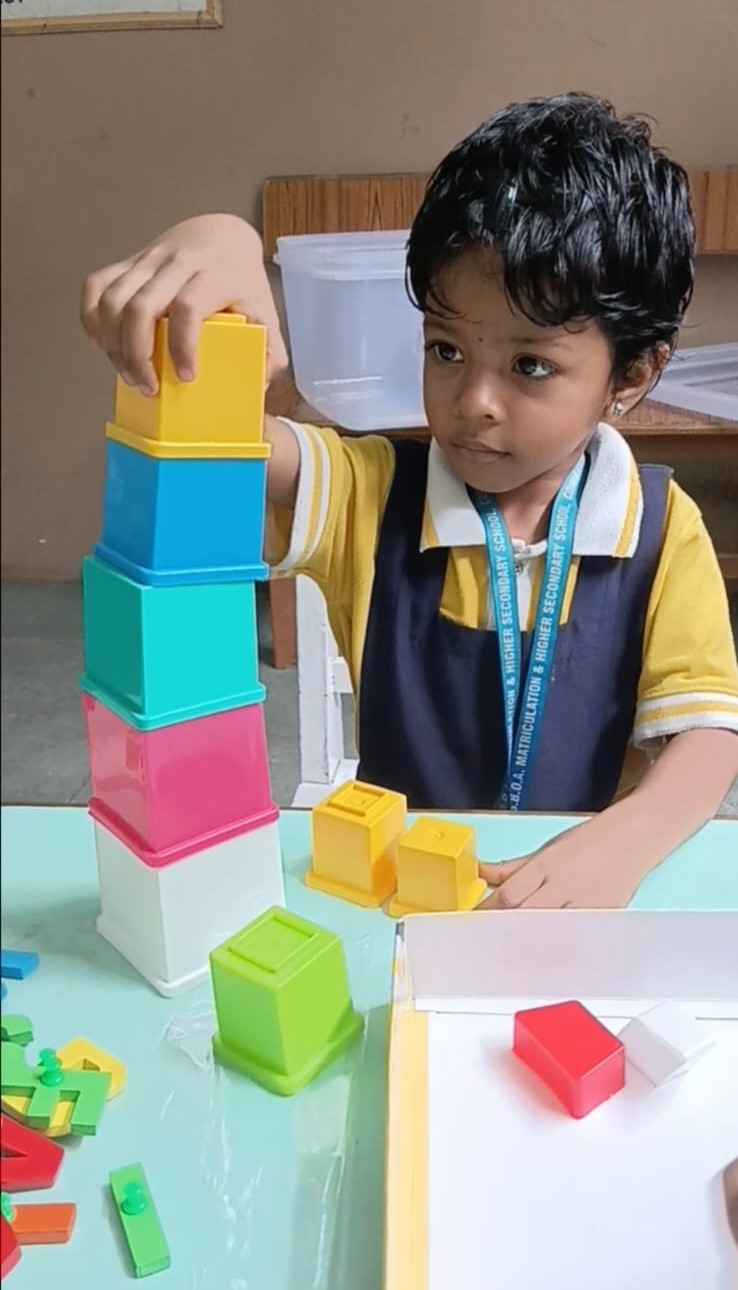
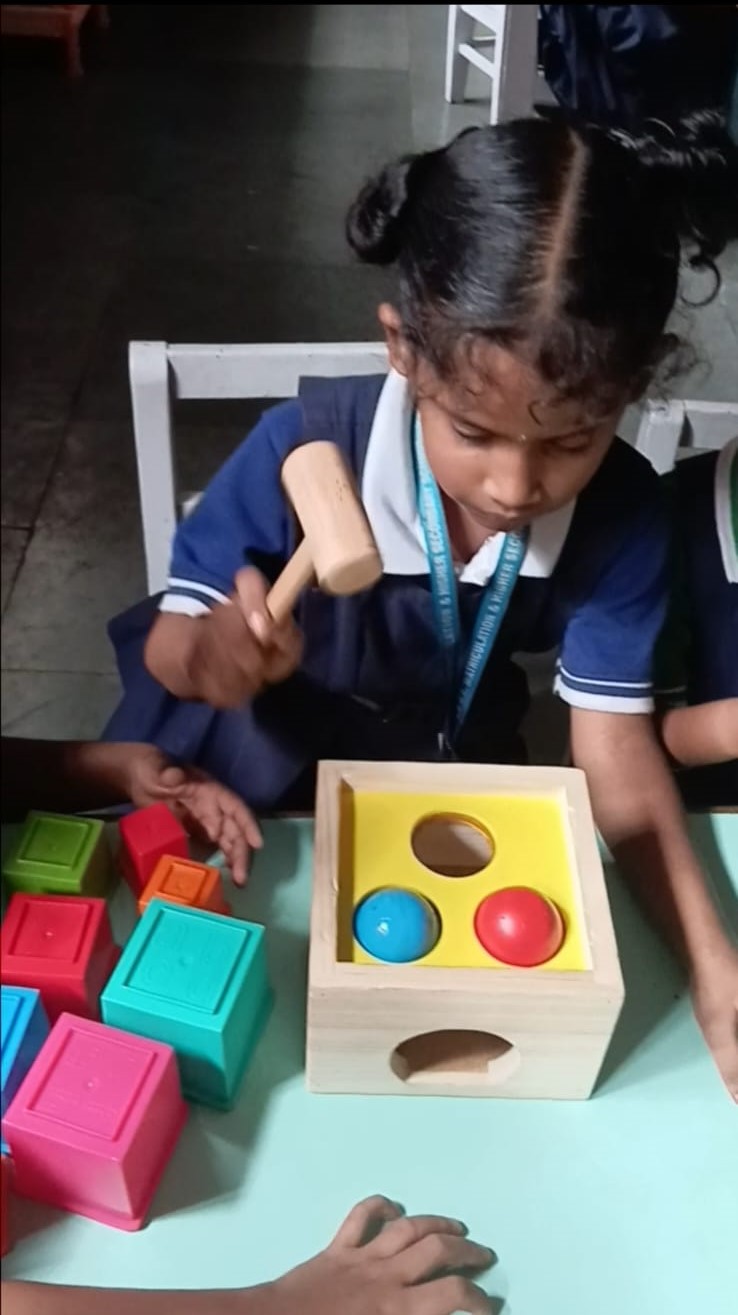
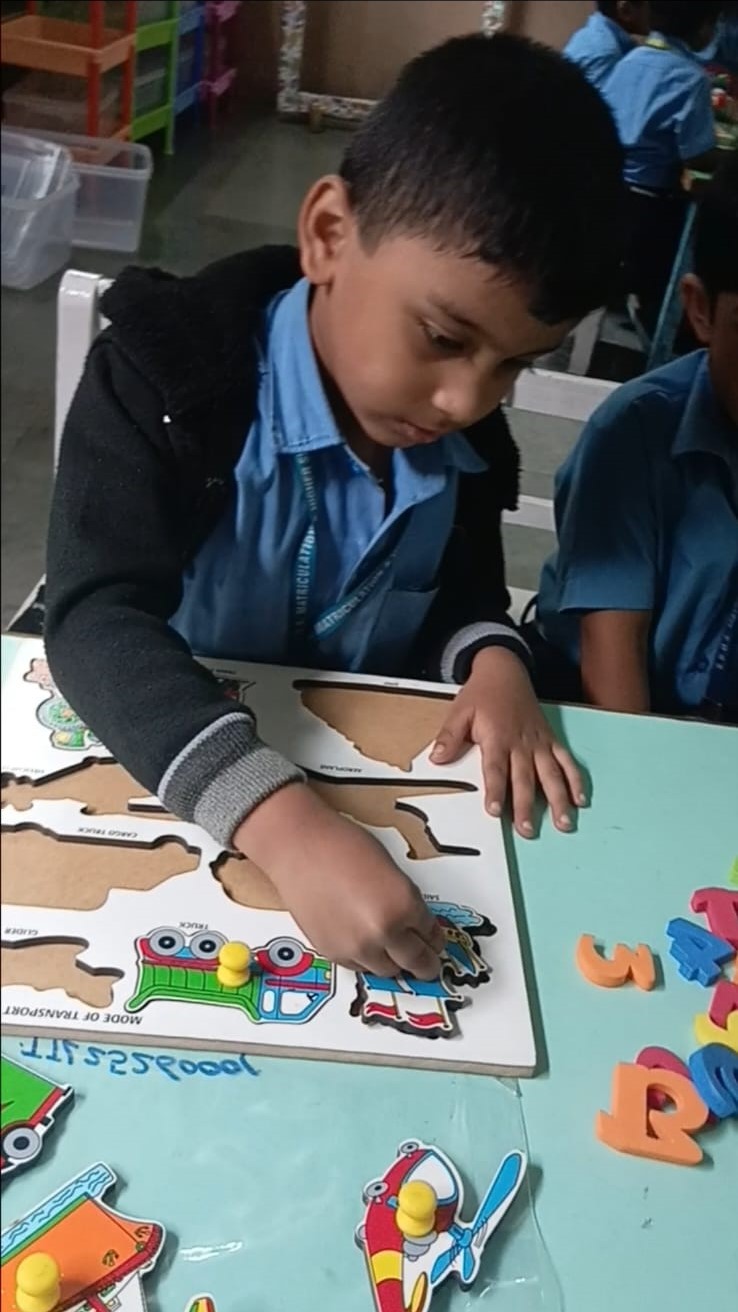
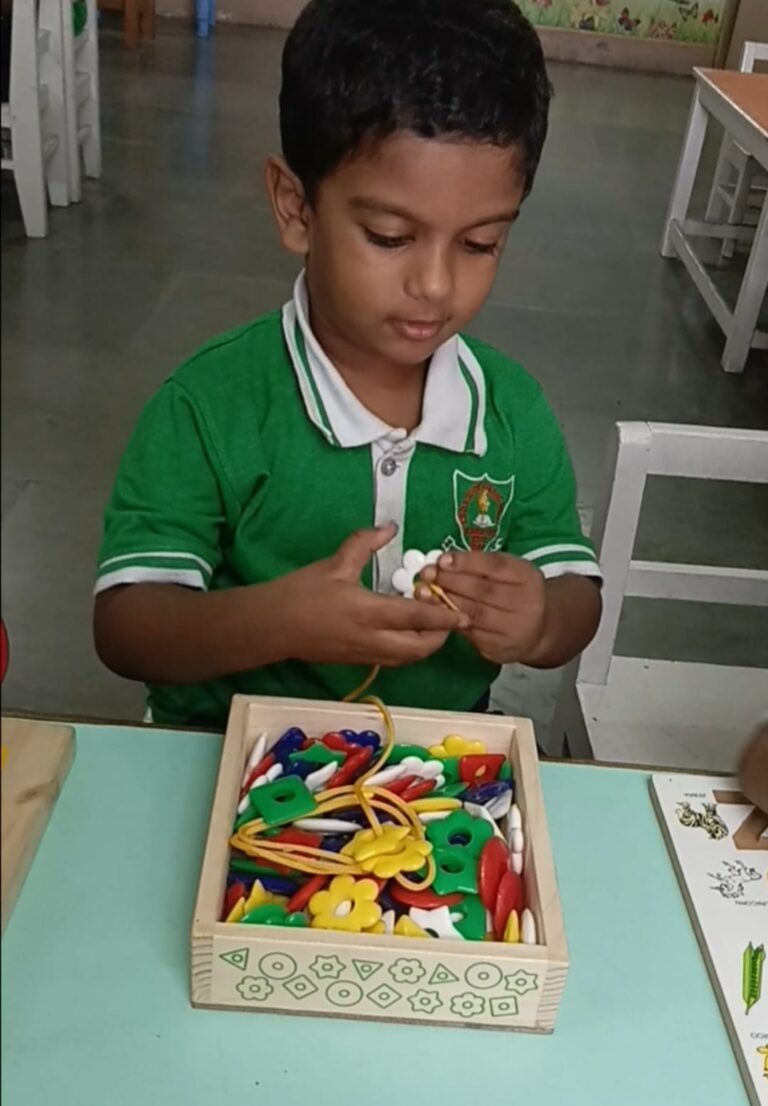
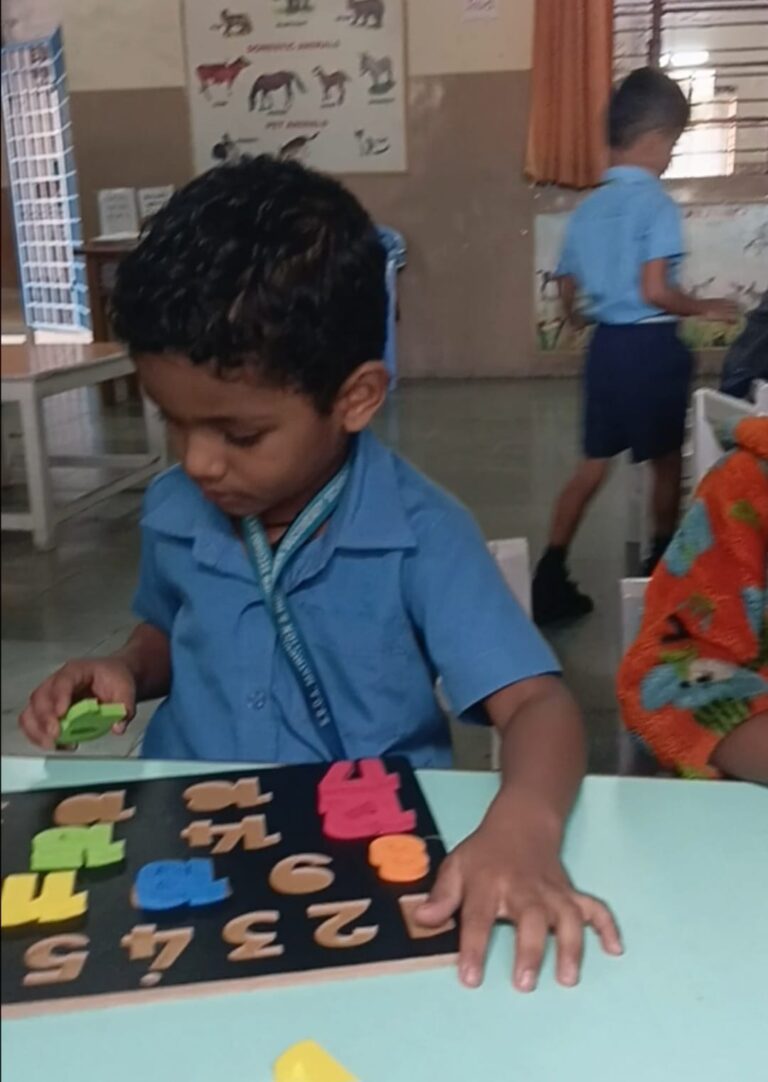
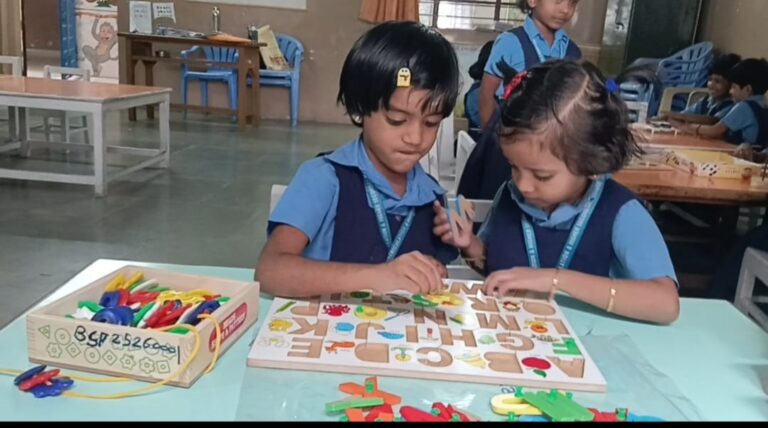
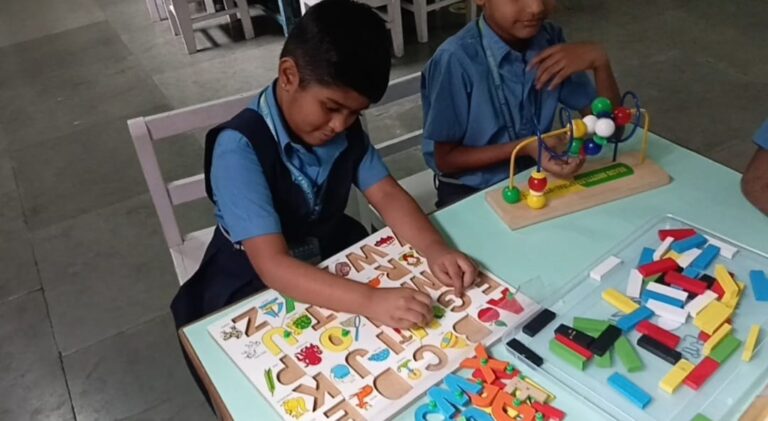
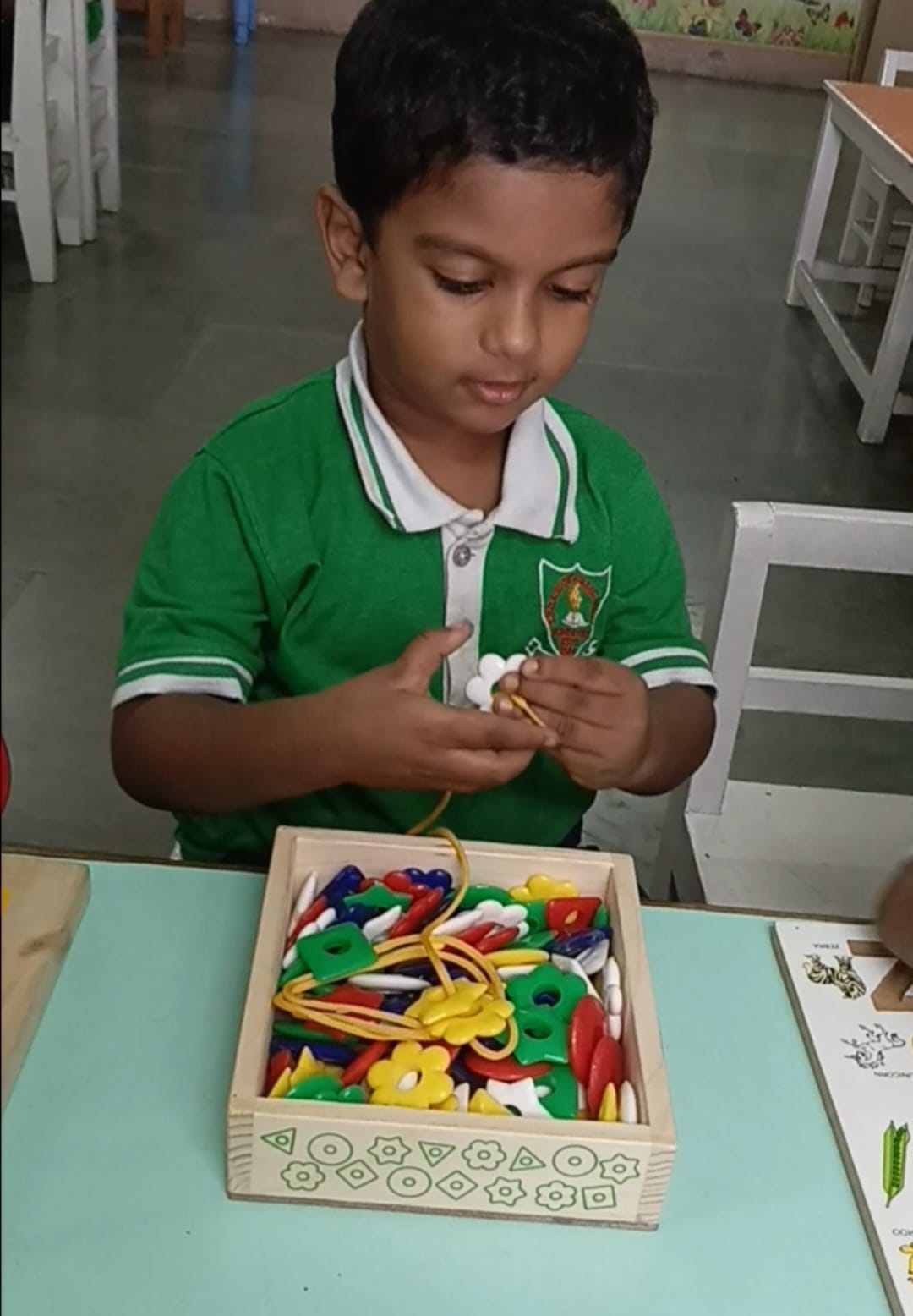
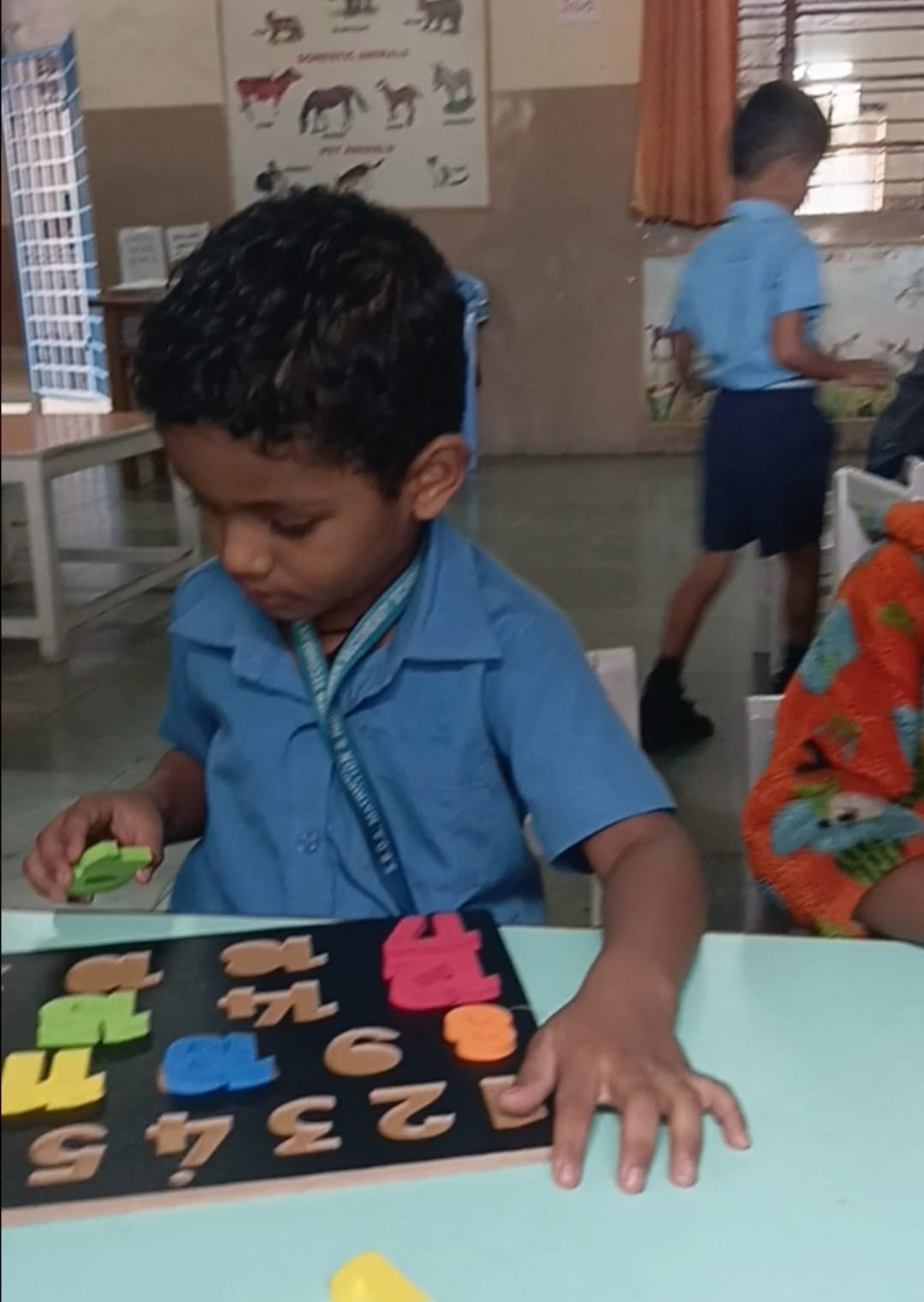
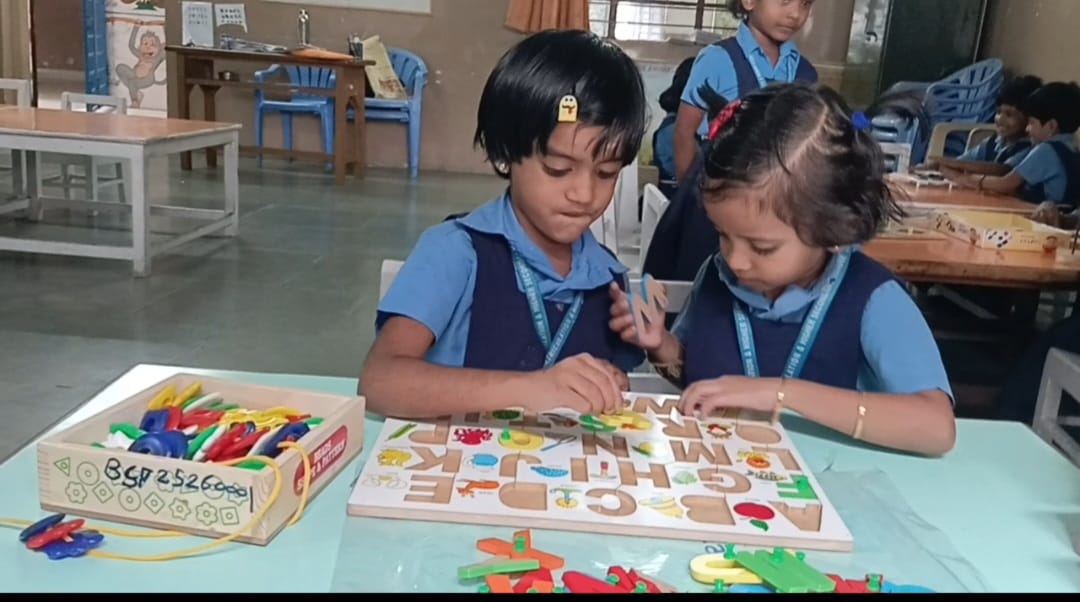
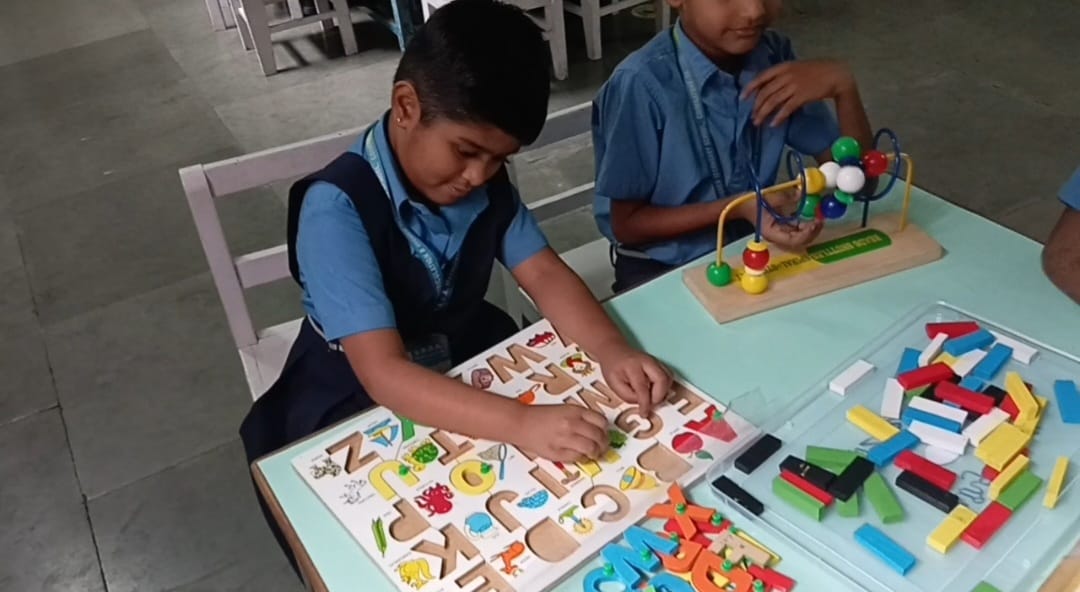
Early Learning through Play: Kindergarten children are introduced to engaging activities such as building blocks to strengthen hand–eye coordination and enhance fine motor skills, laying the foundation for cognitive development.
Language Games for Vocabulary Enrichment: Interactive language games like building words, forming sentences, creating stories, completing unfinished stories, Shipwreck, and JAM (Just a Minute) form an integral part of the play-way method. These activities make language learning enjoyable while enriching students’ vocabulary and fluency.
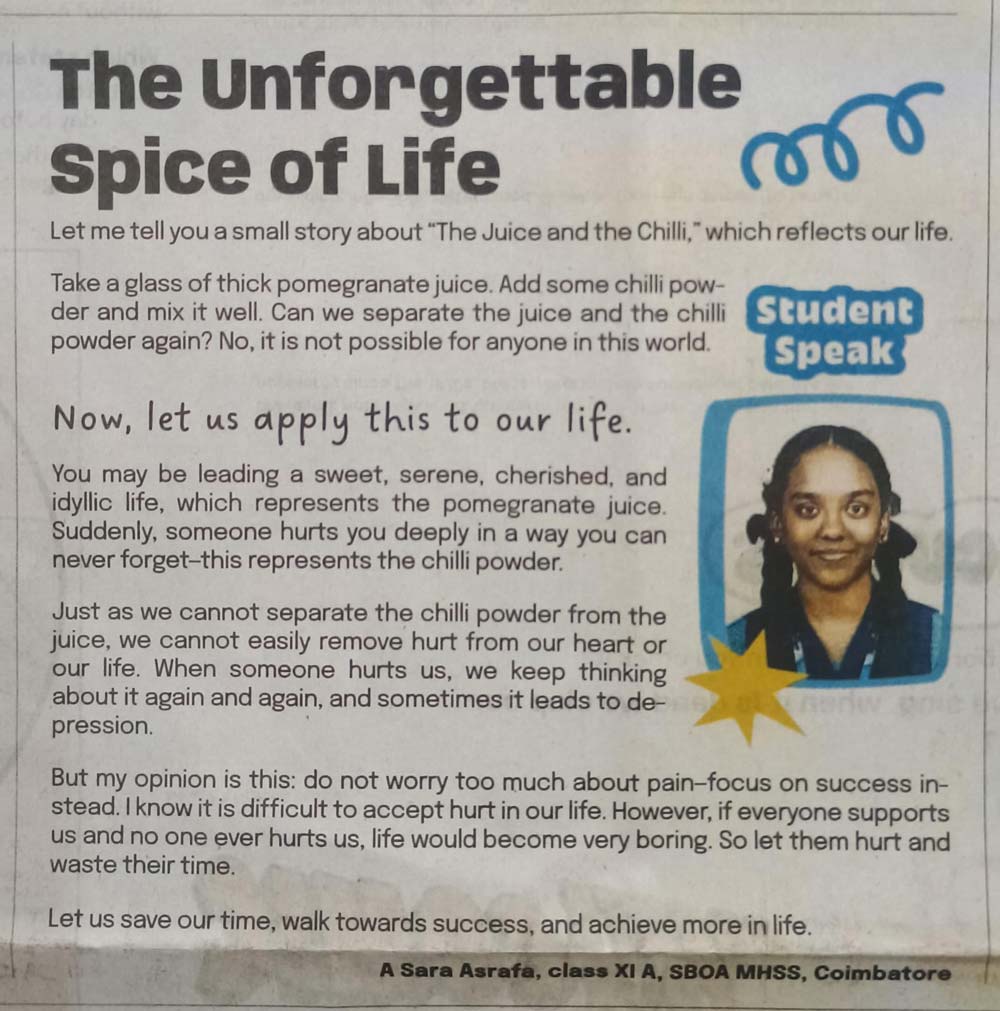
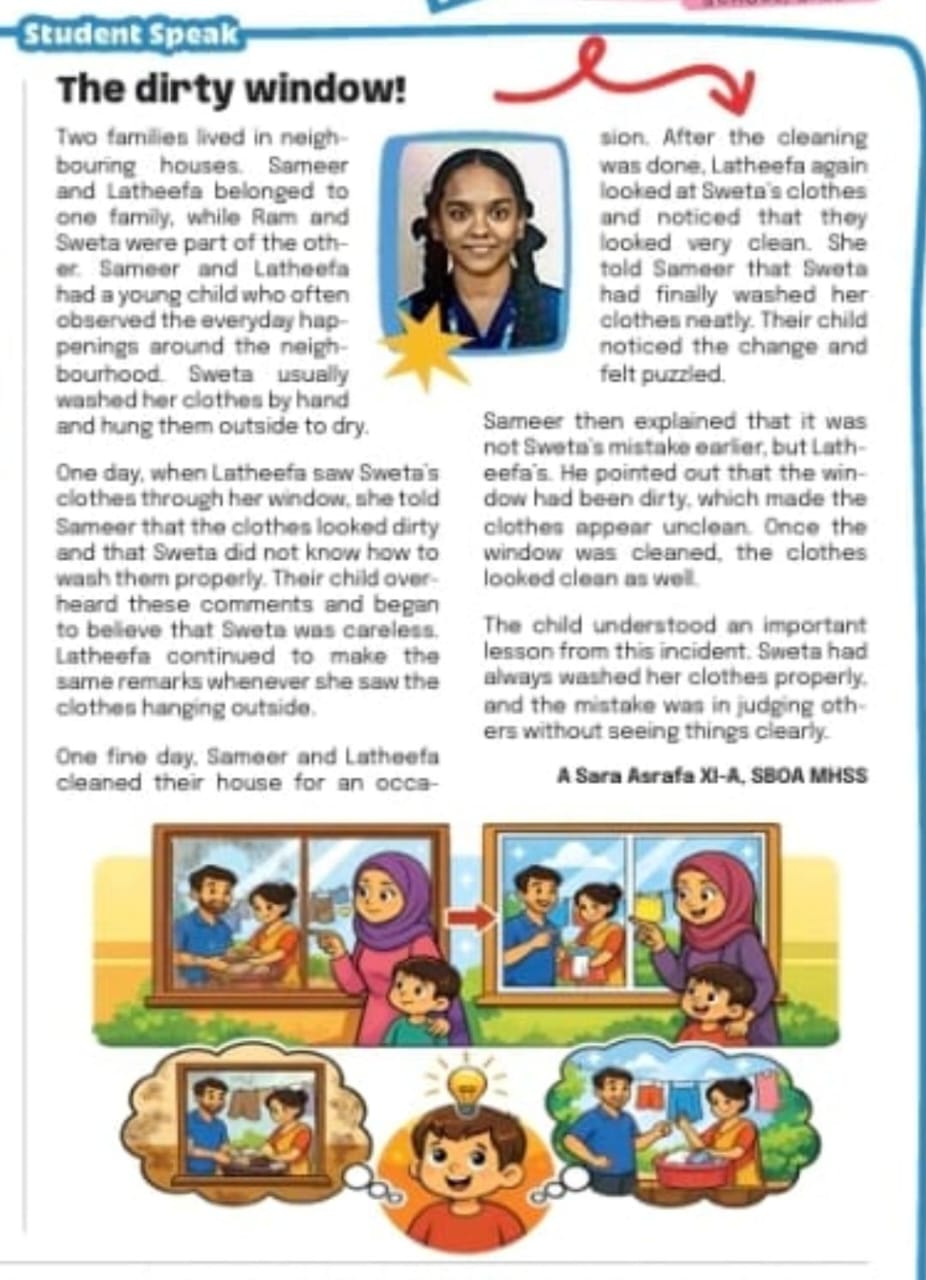
Creative Writing Exercises: Students are encouraged to develop their imagination and writing skills through hints development, story completion, brainstorming words on a given topic, and debates, fostering creativity, clarity of thought, and effective expression.
Innovative Learning Approach:
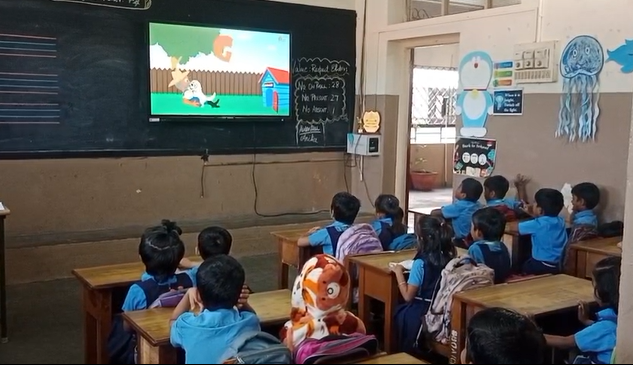
Video Voice is a creative, learning-based activity designed to enhance the language development of children in an interactive and enjoyable manner. It is conducted for Kindergarten, Std. I, Std. II, and other classes through the Smart Board.
How It Works:
A video is played without sound, allowing students to imagine and give voices to the characters on screen.
Children participate individually or in groups, dubbing the dialogues creatively based on their interpretation of the scene.
Learning Outcomes:
Encourages spontaneous speech and builds confidence in public speaking.
Helps students overcome hesitation and inhibition while speaking.
Promotes creativity, teamwork, and expressive communication.
Serves as an informal yet highly effective method of language learning through play and imagination.